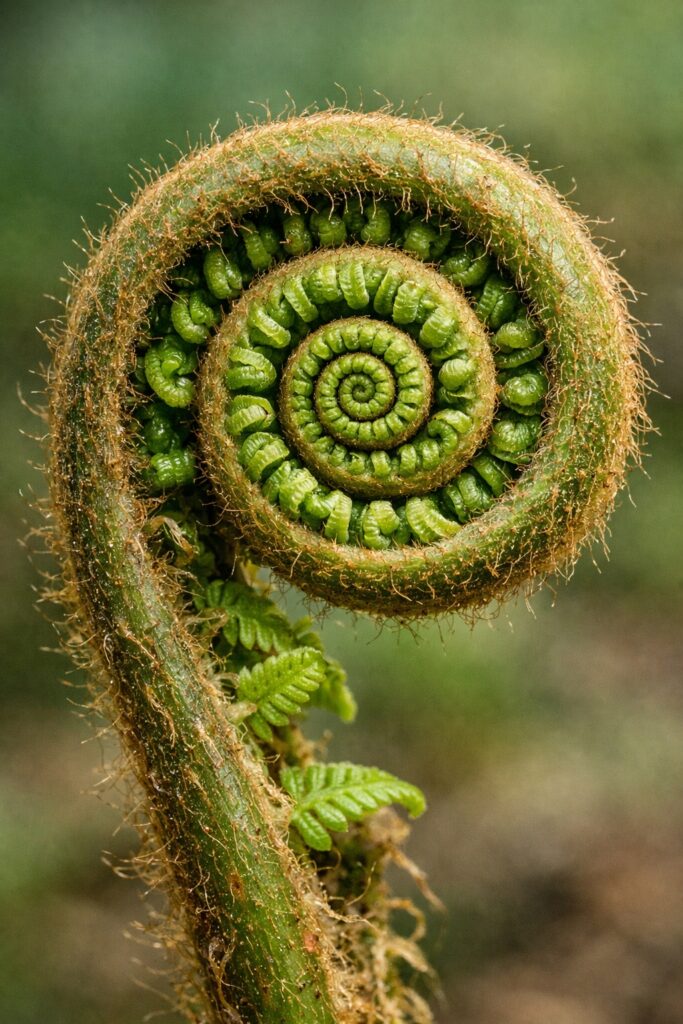
I know well that the beauty in nature may have evolved on its own, with no guiding hand beyond the patient advance of time. Stone yields to water, cells divide, forms test themselves against survival, and what persists begins to look like intention. Mountains need no witness to be shaped. Birds require no extraneous audience to sing. The world can explain itself step by credible step.
Yet, still, I long to believe there was something more. A depth behind the surface. A hush before the first breath. Not a ruler or an engineer, perhaps. But as though the universe, once capable of becoming aware of itself, felt the faint urge to become beautiful. As though color, symmetry, and charity were not accidents but echoes.
If time alone shaped this, then time itself feels profound. And if something breathed it into being, that breath still trembles in the leaves. Asking nothing, explaining nothing, simply being.
My longing, though, does not cancel reason. It lives beside it like a quiet companion on a long walk. I accept the science of how things came to be, while wondering why they arrived with such excess. More patterns than necessary. More grace than required. If time alone shaped this, then time itself feels profound. And if something breathed it into being, that breath still trembles in the leaves. Asking nothing, explaining nothing, simply being.
There is something peculiarly human, though, in our ability to live with more than one truth at once. We are capable of holding conflicting beliefs without demanding that one destroy the other. We can accept explanation while still harboring wonder, trust evidence while holding fascination. Perhaps this is not a flaw in our reasoning but a feature of our consciousness. A recognition that the certainty of knowledge does not provide meaning. And that some questions are so large they can only be held in tension.